

Plantar Fasciitis Care at Carolina ChiroCare
- 200+ 5-star Google reviews
- Convenient online scheduling
- Most major insurance plans accepted
- Individualized treatment plans
- Laser and shockwave therapy available
- Custom orthotics available
What is Plantar Fasciitis?
The plantar fascia is a strong band of tissue that runs along the bottom of the foot and helps support the arch. Repetitive stress can irritate this tissue near its attachment to the heel, producing the characteristic heel and arch pain associated with plantar fasciitis.
Pain is often most noticeable during the first few steps after getting out of bed or after sitting for an extended period.
What Can Contribute to Plantar Fasciitis?
Some of the most common causes include:
- Repetitive walking, running, or prolonged standing
- Sudden increases in physical activity
- Tight calf or Achilles tissues
- Flat feet or high arches
- Poorly supportive footwear
- Repetitive stress on hard surfaces
- Changes that increase the load placed on the foot

Recognizing Symptoms
Common Symptoms of Plantar Fasciitis
- Heel pain during the first steps in the morning
- Pain after sitting or resting for an extended period
- Tenderness along the bottom of the heel
- Pain that extends into the arch
- Heel pain after prolonged standing or walking
- Symptoms that worsen following increased activity
Plantar fasciitis commonly becomes more noticeable after periods of rest or following activities that repeatedly load the foot.
How We Evaluate Heel and Plantar Fascia Pain
Heel pain is not always caused by plantar fasciitis, so treatment starts with determining what may be contributing to your symptoms.
- Where the pain is located
- When the symptoms began
- Pain during the first steps after rest
- Foot and ankle mobility
- Tenderness along the plantar fascia and heel
- Calf and Achilles flexibility
- Foot mechanics and arch support
- Shoes and daily activity
- Previous foot or ankle injuries
When appropriate, imaging or additional evaluation may be used to help rule out another source of heel pain.
Plantar Fasciitis Treatment Options
Treatment depends on how long you've had heel pain, your examination findings, previous treatments, activity level, and other contributing factors. Depending on your condition, your care plan may include one or more of the following options.
Class IV Laser Therapy for Plantar Fasciitis
Class IV laser therapy may be used as part of a treatment plan for painful or irritated tissues around the heel and plantar fascia. Treatment delivers therapeutic light energy to the targeted area without injections or incisions.
- Non-invasive treatment
- Applied directly to the affected area
- May be combined with other therapies
- Treatment settings are individualized
- No surgical incision or injection
Whether laser therapy is appropriate depends on your symptoms and examination findings.
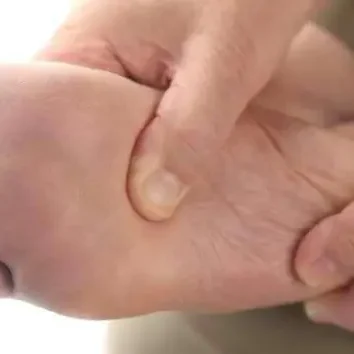
Shockwave Therapy for Chronic Plantar Fasciitis
For certain persistent cases of plantar fasciitis, shockwave therapy may be considered as a non-surgical treatment option.
- Acoustic waves are applied to the targeted heel area
- Treatment does not require surgery
- Often considered for persistent plantar fasciitis
- Treatment settings depend on the condition
- May be combined with other appropriate therapies
We determine whether shockwave therapy is appropriate based on your symptoms, examination findings, previous treatment, and how long the condition has been present.
Supporting Treatment for Plantar Fasciitis
Custom Orthotics
- Provide individualized arch and foot support.
- May help reduce excessive stress placed on the plantar fascia.
- Can be considered when foot mechanics contribute to recurring symptoms.
Therapeutic Exercises
- May include calf, Achilles, and plantar fascia stretching.
- Can help improve flexibility and foot or ankle function.
- Exercises are selected based on individual findings.
Footwear & Activity Recommendations
- Supportive footwear may reduce unnecessary stress on the heel.
- Temporary activity modifications may be recommended when repetitive loading aggravates symptoms.
- Recommendations depend on the patient's activity and examination findings.
Why Can Plantar Fasciitis Become Chronic?
Heel pain may persist when the plantar fascia continues to be overloaded faster than the tissue can recover. Repetitive activity, limited ankle mobility, inadequate foot support, and returning to aggravating activities too quickly can all contribute.
Persistent symptoms are one reason we evaluate the mechanics and activities contributing to the problem rather than focusing only on the painful area.
Plantar Fasciitis Care From Dr. Jeffrey Gerdes
Dr. Jeffrey Gerdes evaluates musculoskeletal conditions affecting mobility and function at Carolina ChiroCare & Rehab. For plantar fasciitis, treatment recommendations are based on the patient's symptoms, examination findings, activity level, and factors that may be placing additional stress on the foot.
When appropriate, a treatment plan may incorporate options available at our Raleigh office such as laser therapy, shockwave therapy, therapeutic exercise, or custom orthotics.

Frequently Asked Questions About Plantar Fasciitis
Plantar fasciitis commonly causes pain on the bottom of the heel or into the arch. Pain is often strongest during the first few steps after getting out of bed or after sitting for a prolonged period.
Schedule Plantar Fasciitis Treatment in Raleigh
If persistent heel or arch pain is making it difficult to walk, exercise, or stay active, schedule an evaluation at Carolina ChiroCare & Rehab. We can determine what may be contributing to your symptoms and which treatment options are appropriate.