
Non-Surgical Spinal Decompression
At Carolina ChiroCare and Rehab, we provide spinal decompression therapy to help patients find lasting relief from chronic back and neck pain. This advanced treatment gently stretches the spine to relieve pressure on compressed discs and nerves.
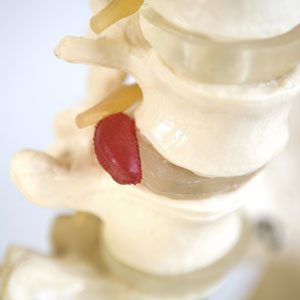
Spinal decompression is commonly used to treat herniated discs, sciatica, degenerative disc disease, and other spine-related conditions. Many patients choose this therapy as an alternative to surgery or injections.
How Spinal Decompression Therapy Works
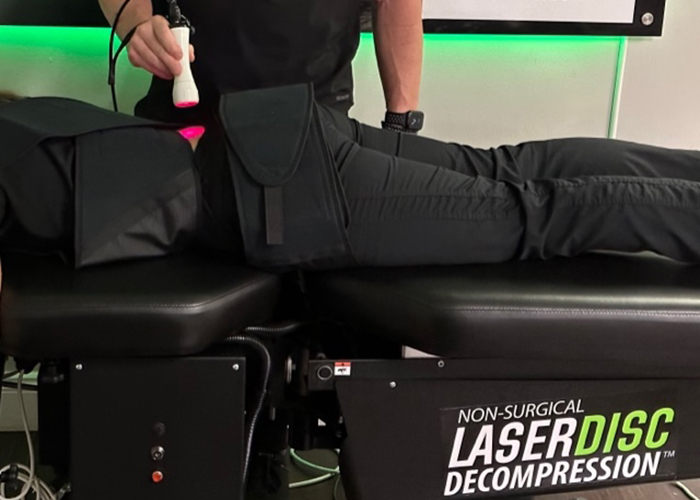
It works by gently stretching the spine using a specialized decompression table. This process creates negative pressure within the discs, which helps:
- Relieve pressure on spinal nerves
- Promote rehydration of damaged discs
- Improve blood flow and nutrient delivery
- Support natural healing of the spine
Over time, this can significantly reduce pain and improve mobility without the need for invasive procedures.


Conditions Treated
Spinal decompression therapy is highly effective for a wide range of conditions, including:
- Herniated discs
- Bulging discs
- Degenerative disc disease
- Sciatica and nerve pain
- Pinched nerves
- Chronic lower back pain
- Neck pain
These conditions often result from spinal compression, which decompression therapy is specifically designed to address.
Symptom Relief
Many patients seek spinal decompression therapy due to persistent or worsening symptoms such as:
- Shooting pain down the arms or legs
- Numbness or tingling
- Chronic stiffness or tightness
- Reduced mobility or flexibility
- Pain when sitting, standing, or bending
If you’re experiencing these symptoms, spinal decompression may help relieve pressure on the affected nerves.
What to Expect
Your treatment begins with a consultation and evaluation to understand your condition and goals.
During therapy:
- You will lie comfortably on a specialized decompression table
- Gentle, controlled stretching cycles are applied to the spine
- Each session typically lasts 15–30 minutes
- Treatments are painless and relaxing
Most treatment plans include multiple sessions over several weeks to achieve the best results.
Watch How Spinal Decompression Therapy Works
How Long Does It Take to See Results?
Many patients begin to feel relief within the first few sessions of spinal decompression therapy. However, the timeline for results depends on the severity of your condition.
- Mild cases may improve quickly
- Chronic conditions may require several weeks of treatment
- Consistency is key for long-term results
Our goal is to reduce pain, restore function, and help you avoid more invasive treatments.
How Much Does Spinal Decompression Cost?
The cost of varies depending on your condition and treatment plan.
At our Raleigh clinic:
- We offer customized treatment plans
- Package options may be available
- Some insurance plans may provide partial coverage
Our team will review all costs and options with you before starting care.
Meet Your Raleigh Chiropractor
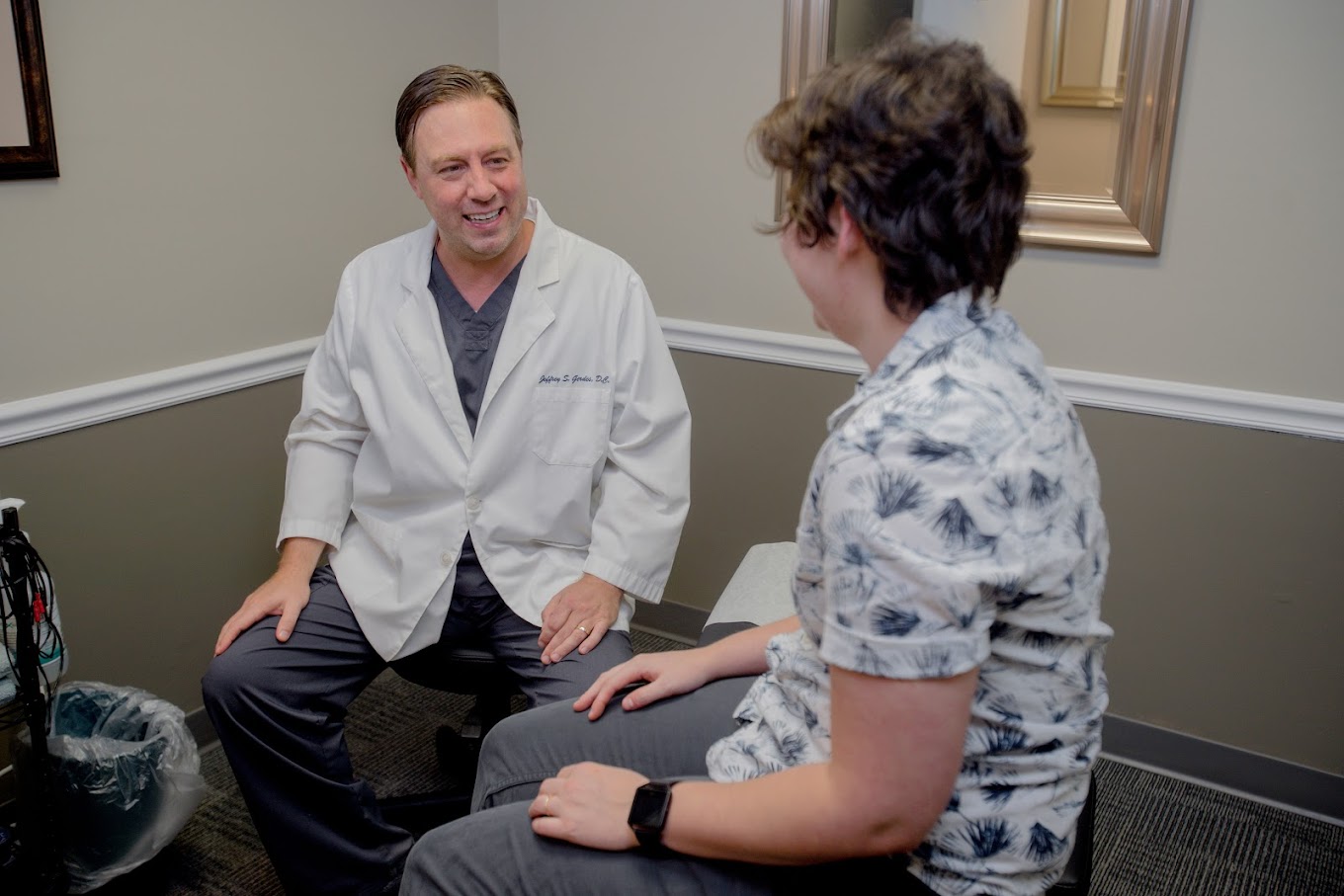
Dr. Gerdes has extensive experience treating back pain, herniated discs, and spinal conditions using non-surgical methods like spinal decompression therapy.
He focuses on:
- Accurate diagnosis
- Customized care plans
- Safe, effective treatment options
Our goal at Caroline ChiroCare is to help every patient achieve lasting relief and improved quality of life.
FAQs About Spinal Decompression Therapy
Schedule Your Spinal Decompression Consultation in Raleigh
Don’t let chronic back pain control your life. Spinal decompression therapy may be the solution you’ve been looking for.
- Same-day appointments available
- No referral needed
- Personalized care plans